OEM vs ODM Sportswear Manufacturing: Which Is Right for Your Project?
A practical B2B comparison of OEM and ODM sportswear development routes, covering buyer input, design control, sampling, branding and project preparation.
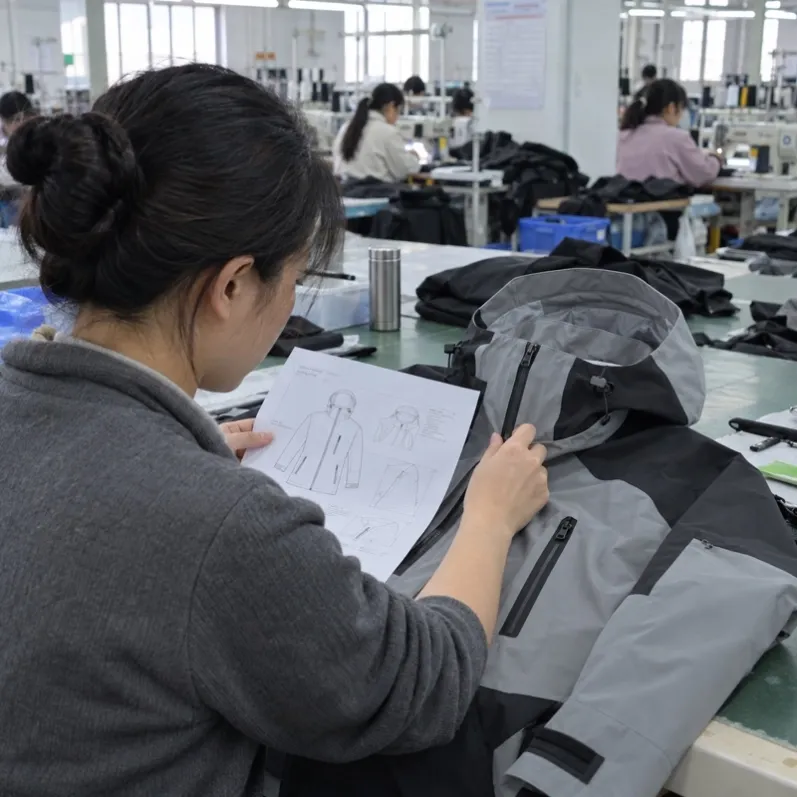
Direct Answer
OEM is buyer-driven development based on a Tech Pack, reference or controlled specification. ODM starts from a manufacturer-developed platform or style and customizes it where supported. The right route depends on how much design control, development input and customization your project requires.
Key Takeaways
• OEM typically puts the buyer specification at the center of development.
• ODM can use an existing platform as a starting point, subject to supported changes.
• Neither route should be described as always cheaper or faster without project evidence.
Development Input
For OEM, prepare the Tech Pack, reference sample, measurements, construction notes, materials direction, artwork and approval rules. For ODM, identify the starting style and list which fit, colors, branding, trims or packaging changes are required.
Design Control and Fit
OEM is appropriate when the buyer needs a controlled silhouette or detailed construction. ODM may fit a project that can adapt an existing platform. In both cases, define the intended fit, size range, measurement points and sample approval process.
Fabric, Branding and Sampling
Both routes require a clear discussion of fabric feel, stretch, airflow or other application needs, plus logos, labels and packaging. Sampling is where the buyer checks the proposed route against the approved brief.
Project Complexity
The more custom the construction, artwork, fit and trims, the more detail the manufacturer needs before quoting and sampling. Keep open decisions visible instead of assuming the route resolves them automatically.
Choosing a Route
Choose OEM when the buyer has a detailed specification or needs strong design control. Consider ODM when a suitable existing platform can be adapted and the buyer accepts the platform as the starting point. Confirm what changes are supported before committing.
What to Send for an RFQ
Send the product type, Tech Pack or starting reference, quantity, size range, colors, fabric requirements, artwork, labels, packaging and destination through the Contact page. Review Product Development & Sampling for the next step.
Buyer FAQ
Q: Is OEM always more expensive?
A: Do not assume that; compare the actual scope, materials, development work and sampling requirements.
Q: Is ODM customization unlimited?
A: No. Confirm which fit, fabric, color, branding and trim changes the starting platform supports.
Q: Which route gives more design control?
A: OEM is generally buyer-specification-led, while ODM begins with a manufacturer-developed platform.
Q: Do both routes require samples?
A: Sampling is recommended for both when fit, construction, artwork or materials must be approved.
Q: Can a buyer switch from ODM to OEM?
A: The route should be clarified early because the required files, development work and approval path can change.
Q: What is the first step?
A: Send a clear project brief and identify whether the starting point is a controlled specification or an existing platform.