Custom Ski Pants & Bib Pants: A Buyer's Development Guide
A practical B2B guide to developing custom ski pants and bib pants, covering fit, mobility, construction, Tech Pack inputs, sampling, approval and RFQ preparation.
Short answer
Custom ski pants and bib pants should be developed from a clear use case, size range, movement needs, pocket plan, waistband or bib construction, boot compatibility and material requirements. The sample should confirm fit and functional details before bulk production.
Key takeaways
• Define whether the product is a waistband trouser, bib pant or coordinated set.
• Confirm fit, mobility, layering allowance, waist or suspender construction, pockets and ankle details.
• Treat waterproofing, breathability, seam sealing, insulation and reinforcement as project requirements, not assumed standard specifications.
• Approve the sample against the Tech Pack before bulk production.
What buyers should define first
State the intended sport, climate, wearer, silhouette, size range and layering expectation. Explain whether the garment is for ski teams, outdoor labels, private-label collections or another winter use. Reference images or an existing garment can clarify proportions and details.
Ski pants versus bib pants
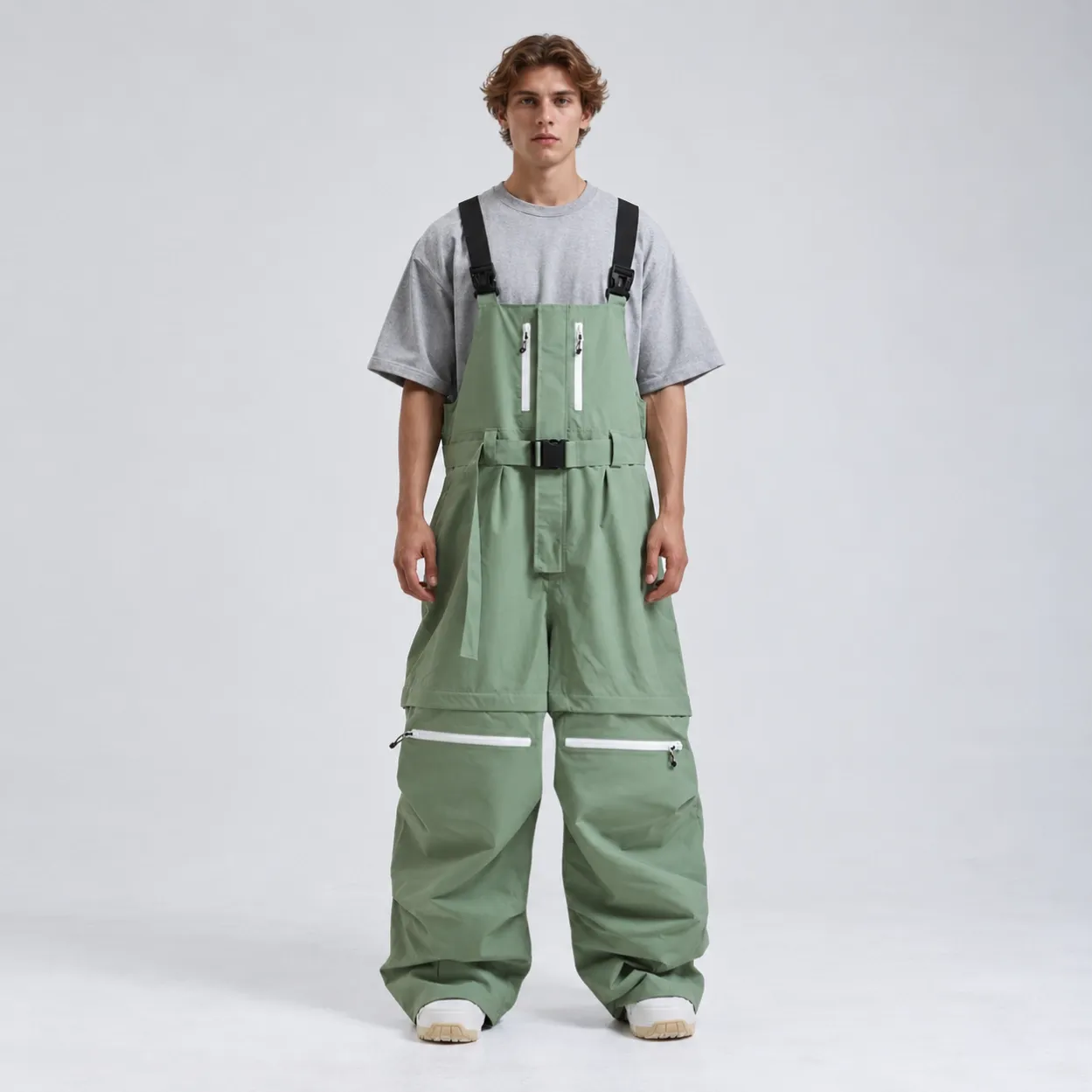
Ski pants typically rely on a waistband and waist closure. Bib pants add a bib body and suspenders, so buyers should review bib height, strap adjustment, torso comfort and layering. Both products need a clear mobility and grading plan.
Fit, mobility and construction
Review rise, seat, thigh ease, knee articulation, hem opening, cuff or gaiter direction, boot compatibility and movement while crouching or walking. Confirm whether the design is intended for a base layer, mid-layer or other layering plan.
Pockets, ventilation and reinforcement
Mark pocket positions, opening direction, closure concept and intended contents. If ventilation is needed, specify its location and construction during development. Reinforcement areas should be identified from the expected use rather than assumed.
Material and technical requirements
Waterproof and breathability requirements should be defined during development based on intended use and material specification. Seam-sealing requirements can be reviewed according to the selected construction and project specification. Do not assume a waterproof rating, membrane, GSM, insulation weight, certification or test result unless the project provides it.
Tech Pack checklist
Include flats or reference images, measurements, size chart, fit notes, fabric direction if known, colorways, trims, pocket map, waistband or bib details, ankle and boot interface, labels, packaging, artwork and quantity breakdown.
Sample-to-bulk workflow
Project Review → Material / Construction Review → Sample Development → Fit / Detail Review → Revision if required → Approval → Bulk Production → Quality Control.
Sample approval checklist
Check waist or bib comfort, rise, mobility, pockets, closures, hems, boot compatibility, lining or insulation direction, color, branding, measurements and overall workmanship. Record approved corrections before bulk.
What to send for an RFQ
Send a Tech Pack or reference images, target quantity, size range and breakdown, colors, known fabric or performance requirements, logo or artwork, trims, labels, packaging and sample priorities. Share the project through the Contact page: https://www.honchsportswear.com/contact
Related product direction
Review the Outdoor & Winter Apparel hub at https://www.honchsportswear.com/outdoor-winter-apparel-manufacturer and relevant ski pants products such as https://www.honchsportswear.com/products/custom-ski-pants-manufacturer and https://www.honchsportswear.com/products/custom-ski-bib-pants-manufacturer.
FAQs
- What is the main development difference between ski pants and bib pants? The bib adds a torso panel and suspender system, so comfort, adjustment, layering and bib height need separate review.
- Should buyers specify waterproof and breathability ratings? Only when the project has verified requirements or test targets. Otherwise define the intended use and review the material and construction during development.
- What should be checked on the first sample? Review fit, mobility, rise, waist or bib construction, pockets, hems, boot compatibility, materials, colors, branding and measurements.
- Can pocket and ventilation placement be customized? Yes, placement and construction should be documented in the brief or Tech Pack and confirmed on the sample.
- What MOQ should buyers plan for? Flexible MOQ — typically starting from 100 pcs per style, depending on product design, fabric, color, trims and customization.
- What should be approved before bulk production? Approve the sample, measurements, construction details, color and branding reference, size breakdown and packing requirements.
Next step
Send the ski pants or bib pants brief, references, quantity and sample priorities through the Contact page to begin a project review.