Custom One-Piece Ski Suits: What Buyers Should Confirm Before Production
A B2B development guide to custom one-piece ski suits, covering integrated fit, movement, layering, zippers, pockets, Tech Pack inputs, sampling and approval.
Short answer
A custom one-piece ski suit needs an integrated fit and construction review because the upper body, waist, legs, entry system and snow-protection details work as one garment. Buyers should define measurements, layering allowance, movement, closures, pocket placement, materials and approval criteria before bulk production.
Key takeaways
• Prepare a complete size and fit direction, including layering and movement allowance.
• Confirm front entry, waist transition, pockets, cuffs, hems, gaiters, ventilation and branding.
• Treat shell, insulation, waterproofing, breathability and seam-sealing as project requirements.
• Use the sample to validate the complete suit, not isolated panels.
Why one-piece development needs careful fit review
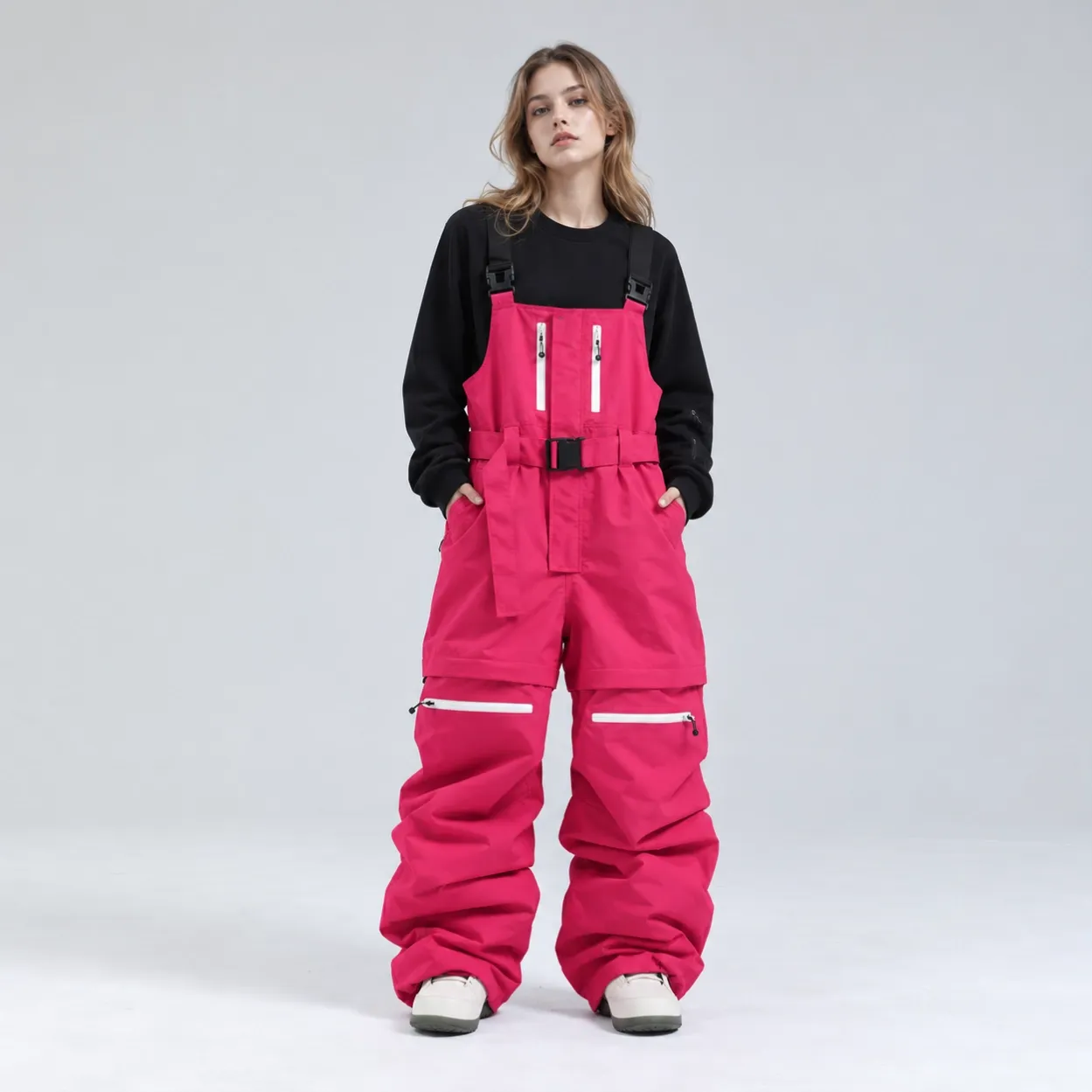
A one-piece connects torso, waist, seat, sleeves and legs. A change to rise, torso length or sleeve balance can affect movement throughout the suit. Review body measurements, garment measurements, intended layers and activity positions together.
Measurements, movement and layering
Prepare a target size range, measurement chart, fit preference and any reference garment. Note crouching, walking, reaching, layering and range-of-motion priorities. Confirm ease at the torso, seat, knees, elbows and shoulders before sampling.
Front zipper and entry construction
Define the entry direction, zipper length, overlap, guard, puller access and any protective flap required by the design. Review how the closure interacts with the collar, hood, waist transition and wearer movement.
Pockets, ventilation and functional details
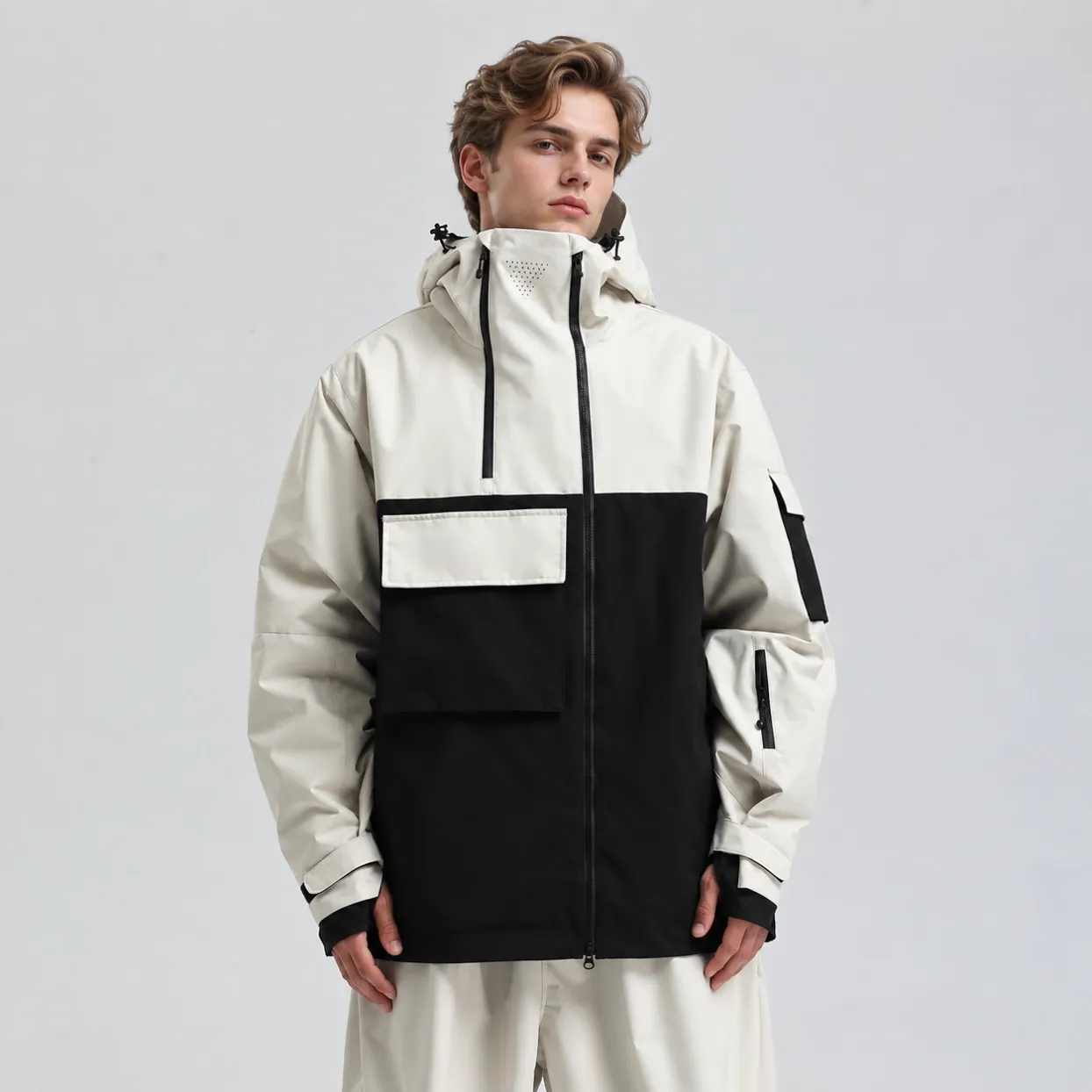
Mark pocket location, access, opening direction, closure concept and intended contents. If ventilation is required, specify placement and construction during development. Cuffs, hems, gaiters and snow-protection details should be shown in the Tech Pack or reference images.
Shell versus insulated construction
State whether the project is a shell direction or an insulated direction, and describe the intended layering and warmth concept. Waterproof and breathability requirements should be defined according to the intended use and material specification. Do not assume a membrane, temperature rating, insulation weight, fabric composition, rating or certification.
Tech Pack checklist
Include front/back flats, measurements, size chart, fit notes, entry system, collar/hood, pockets, ventilation, cuffs, hems, gaiters, panel construction, colorways, trims, labels, packaging, artwork and quantity breakdown.
Sample-to-bulk workflow
Project Review → Material / Construction Review → Sample Development → Fit / Detail Review → Revision if required → Approval → Bulk Production → Quality Control.
Sample fitting checklist
Review torso length, rise, shoulder and sleeve balance, seat, knees, cuffs, hems, gaiters, zipper access, pockets, movement, layering, materials, colors, labels and branding. Record every approved measurement and correction.
What to send for an RFQ
Send a Tech Pack or reference suit, target quantity, size range, size breakdown, colors, known material or performance requirements, artwork, labels, packaging and sample priorities. Related outdoor context is available at https://www.honchsportswear.com/outdoor-winter-apparel-manufacturer and the relevant product family includes https://www.honchsportswear.com/products/custom-one-piece-ski-suit-manufacturer. Submit the project through https://www.honchsportswear.com/contact
FAQs
- Why is one-piece fit more complex than a separate jacket and pant? The torso, waist, seat, sleeves and legs are integrated, so measurements and movement must be reviewed as one garment.
- What measurements should a buyer provide? Provide the target size chart, garment or body measurements, fit preference, layering direction and any reference suit.
- How should a buyer describe shell or insulated construction? State the intended use and construction direction, then define material, lining and insulation requirements during development.
- What should be checked on the first sample? Check entry, torso length, rise, movement, layering, pockets, cuffs, hems, gaiters, colors, materials, branding and measurements.
- Can pocket and ventilation placement be customized? Yes. Document location, access, opening direction and construction in the brief and confirm them on the sample.
- What MOQ should buyers plan for? Flexible MOQ — typically starting from 100 pcs per style, depending on product design, fabric, color, trims and customization.
- What must be approved before bulk? Approve the complete suit sample, measurements, construction, color, branding, trims, size breakdown and packing reference.
Next step
Send the one-piece suit brief, reference images, measurement direction, quantity and sample priorities through the Contact page for project review.